

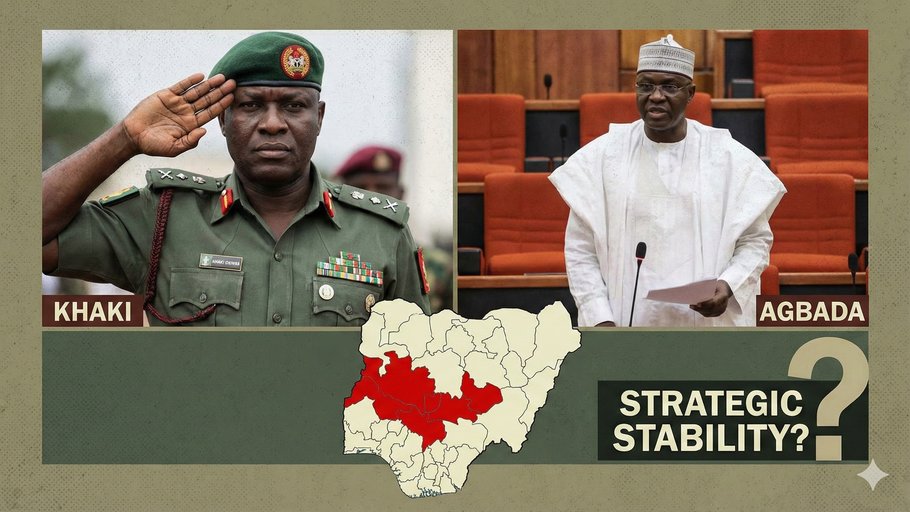
The Shifting Frontline of Insecurity
For too long, the narrative of Nigerian insecurity was tragically compartmentalized. We spoke of terrorism in the North East, farmer-herder clashes in the Middle Belt, and banditry and kidnapping in the North West. Now, the bitter truth is that the crisis, like a malignant disease, has spread its roots, transforming the North Central region—previously a relatively safer buffer—into a volatile frontline.
The recent, harrowing attack on Agbeku village, leaving the community in utter disarray, serves as a painful reminder that the geography of fear is expanding. This shift is not arbitrary; it is fueled by a confluence of long-ignored factors:
- Ungoverned Spaces: The region possesses vast, forested landmasses and porous borders, creating perfect operating environments for criminal gangs who use these enclaves for logistics, training, and launching strikes.
- Socioeconomic Desperation: High unemployment, widespread poverty, and a lack of visible government presence leave vulnerable youths susceptible to recruitment by bandit groups, often lured by the promise of quick wealth from kidnapping-for-ransom.
- Resource Competition: The historical conflict over land and grazing rights between herders and farmers has evolved into a brutal, commercialized form of armed banditry, where the primary motivation is now economic gain, cattle rustling, and control over unregulated mining activities.
The challenge facing Nigeria is no longer a localized threat; it is a complex, transnational criminal enterprise requiring political will and sophisticated military strategy.
The Khaki to Agbada Transition: Hope vs. Reality
Against this backdrop of escalating chaos, a major political appointment has captured national attention: the nomination and swift confirmation of the immediate past Chief of Defence Staff (CDS) as the Minister of Defence. This transition—popularly dubbed "Khaki to Agbada"—is profoundly symbolic and highly significant. It marks a moment where a seasoned military professional, deeply familiar with the operational gaps, institutional bottlenecks, and intelligence failings of the Armed Forces, is placed directly into the executive policy structure.
The hope is palpable: a military expert at the helm of defense policy offers the promise of a coordinated, data-driven security response, free from the inertia of purely political appointees. The new Minister, often described as having operational grit and deep knowledge of the terrain, steps in with high expectations. His stated immediate priorities include:
- Enhancing Troop Welfare: Recognizing that a demoralized soldier cannot win a war, promising improved medical support, prompt payment of allowances, and timely provision of kits.
- Intelligence and Technology: Pledging to move away from conjecture, utilizing advanced technology for intelligence, surveillance, and reconnaissance (ISR) to dismantle criminal financial networks.
- Unified Action: Reinforcing the synergy among the military, police, intelligence agencies, and state governments.
However, the reality presents daunting risks. The shift raises questions about the civil-military gap, the potential for an over-militarization of political space, and the enormous public expectation that a single person can solve a decade-long, multi-faceted crisis rooted in poor governance and socioeconomic failure. The new Minister has inherited a nation desperate for peace, and his true test begins now.
The Senate’s Serious Business: Rejecting "Bow and Go"
Perhaps the most telling sign of the rising national urgency was the action of the Senate itself. For the first time in a long while, the Senate jettisoned its predictable, often-criticized tradition of allowing high-profile nominees to "bow and go" without serious interrogation. The Minister of Defence-designate was subjected to an intense, multi-hour grilling session.
This unprecedented scrutiny signals a long-overdue legislative acknowledgement that security is serious business. Lawmakers pressed the nominee on critical issues, including:
- Intelligence Gaps: Directly questioning the military's inability to match the superior firepower of bandits and asking why certain military outposts, such as the one in the Kebbi schoolgirls abduction incident, were withdrawn.
- Funding Reform: Senators urged the new Minister to lobby for the Armed Forces to be placed on a "First Line Charge"—meaning direct funding from the Federation Account—to eliminate the bureaucratic delays that cripple operations and procurement.
- Legal Deterrence: The session coincided with the Senate’s move to classify kidnapping as a terrorist offence, imposing the death penalty without an option of fine, essentially handing the incoming Minister a harsher legal deterrent to wield.
When a motion was raised to allow the former CDS to bow and go, the chamber erupted in shouts of "No! No! No!" Senate President Godswill Akpabio, in intervening, famously noted that not only Nigerians, but "the international community [is] closely watching the process." The speculation about the "fear of Trump" is perhaps a veiled metaphor for this intense global scrutiny and the external pressure to demonstrate competence and accountability in managing the security of Africa’s most populous nation.
What is certain is that the time for mere rhetoric is over. The new Minister and the newly awakened Senate face the colossal task of translating professional experience and legislative resolve into tangible safety for the Agbeku villagers and millions of other Nigerians yearning for the simple comfort of sleeping with both eyes closed.